Why a Heat Pump Installation Is Beneficial
Comfortable indoor temperatures depend on equipment that operates efficiently year-round. For many properties, a modern heat pump system offers a smart alternative to separate furnaces and air conditioners. By transferring heat instead of generating it, these systems can reduce energy use, simplify mechanical equipment, and support consistent comfort. This guide explains why a heat pump installation is beneficial, highlighting energy efficiency, combined heating and cooling, and the range of configuration options available.
Energy Efficiency
 Energy efficiency is one of the clearest reasons to consider a heat pump installation. Traditional electric resistance heaters create heat directly, while a heat pump moves thermal energy using a compressor and fans. That method usually requires less electrical input to deliver the same comfort level, which can help lower monthly utility bills over time.
Modern air source heat pump models often include variable‑speed components that adjust output to match the exact heating or cooling demand. Running steadily at lower speeds instead of cycling on and off reduces waste and keeps temperatures more stable. When properly sized and installed, a heat pump system turns a large share of incoming electrical energy into useful heating or cooling.
Can Provide Both Heating and Cooling
Another major advantage is the ability of one unit to manage both heating and cooling. Instead of supporting a furnace in winter and a separate air conditioner in summer, a single outdoor heat pump and matching indoor equipment can cover the full year. In cold weather, the system behaves like a heater; during hot spells, it operates like a central AC.
This all‑in‑one approach simplifies equipment decisions for new homes and replacement projects. Service visits, filter changes, and thermostat programming focus on one primary system, which can make long‑term upkeep easier to plan and budget.
Various Options
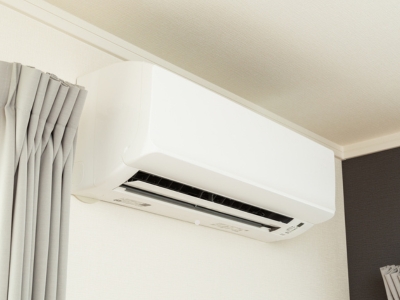 Heat pumps are available in several formats to match different buildings and comfort goals. A ducted heat pump connects to existing air ducts and distributes conditioned air through supply registers in each room. This style suits homes that already rely on central ductwork.
Where ducts are missing or limited, a ductless heat pump can be an excellent fit. Small indoor wall‑mounted or ceiling‑mounted units serve individual zones, allowing targeted temperature control in key areas. Most residential installations use an air source heat pump, which exchanges heat with outdoor air while offering a wide range of capacities and efficiency ratings.
About Meridian Heating, Cooling, Plumbing & Electrical
Meridian Heating, Cooling, Plumbing & Electrical offers a comprehensive range of plumbing, heating, air conditioning, and electrical services backed by superior customer service in Lansing and the surrounding areas. They partner with the best brands and utilize the latest technology, ensuring that their trusted technicians always provide cutting-edge service. Call them today for heat pump installation in Lansing, MI.